
Food systems
Sustainable fish farming for food security and nature conservation
Brief description of the project
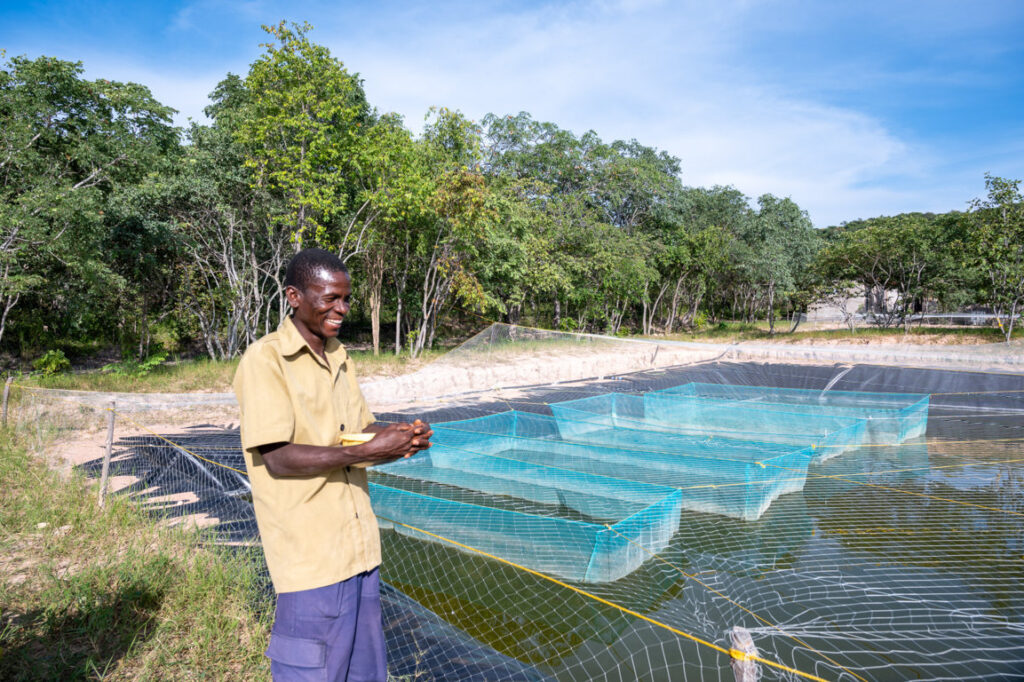
The “Native Species Aquaculture” project is concerned with food security in Tanzania, particularly in the regions around Lake Tanganyika. As a large part of the population is affected by chronic malnutrition, there is an urgent need for sustainable solutions in this area. The project focuses on the establishment of an aquaculture sector for Native species that utilizes the vast water resources of Lake Tanganyika. By promoting the cultivation of indigenous fish species, the aim is to bridge the gap between dwindling wild fish stocks and increasing demand, thereby improving the availability and accessibility of food and protecting the lake’s pristine biodiversity.
Project goals
The main objective is to create a sustainable and regenerative aquaculture sector for Native species, focusing on the categories of food security, livelihoods and conservation.
- The supply of fresh Tanganyika tilapia and juvenile fish to the local population in the Lake Tanganyika region is ensured and market access is established.
- The concept of aquaculture of native species offers local communities and their inhabitants improved livelihoods and new opportunities.
- The local communities and authorities know and support the concept of aquaculture with native species and the nutritional value of Tanganyika tilapia.
- The introduction of invasive fish species into Lake Tanganyika is prevented and the ecosystem is protected by sustainable and regenerative fish farms.
Country
Tanzania
Project duration
2024 - 2026
Total budget LED
USD 780'000