
Food systems
Food security and protection of biodiversity
Brief description of the project
The project aims to improve food security and strengthen the protection of biodiversity. It pursues an agroecological approach in order to utilize the agricultural potential of the region for smallholder farmers and at the same time respond to increasingly unpredictable climatic conditions.
The focus is on nutrition at household level and the establishment of sustainable agriculture as a viable business model. The Lichinga Association of Cooperatives and Associations is being strengthened to support its members in formalizing and professionalizing and to promote knowledge transfer in the field of agroecology.
Project goals
Food security in the districts of Lichinga, Chimbunila and Ngauma is improved by smallholder farmers, especially women, using agroecological practices to increase food production, improve access to food and protect biodiversity.
- Improving the food security of participating households by promoting home gardens and food preservation and processing methods
- Increasing agricultural productivity and product quality
- Strengthening the health and stability of ecosystems
Special features of the project
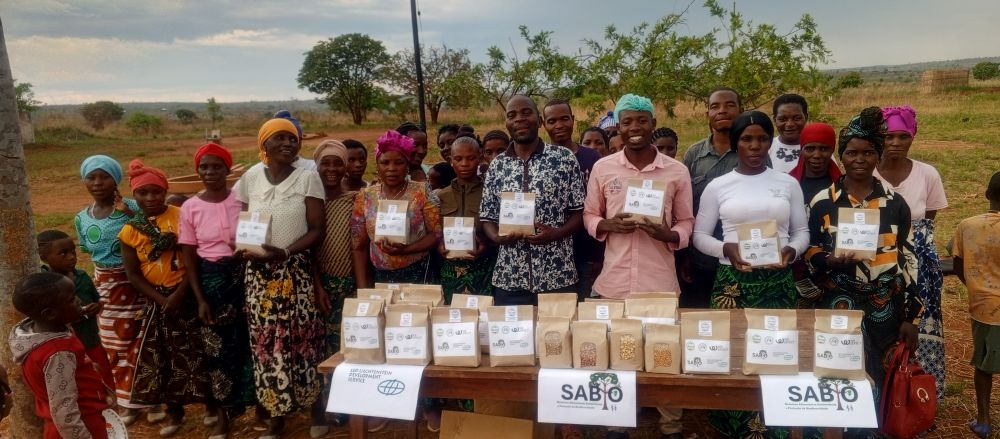
The project works directly with 2,425 smallholder farmers, 65% of whom are women, and thus reaches a total of around 24,250 family members. In addition, 1,000 members of the NRMC are directly involved. Around 29,250 people, also around 65% of whom are women, benefit indirectly from the project.
The project is based on the following approaches and methods:
- Human rights-based approach
- Study Circle Method (learning in groups)
- VLSA approach (Village Savings and Loan Associations)
- Gender mainstreaming
- Integrating environmental and climate protection and promoting resilience
Country
Mozambique
Project duration
2025 - 2027
Total budget LED
CHF 600’000