
Food systems
Agroecological transformation driven by local communities
Brief description of the project
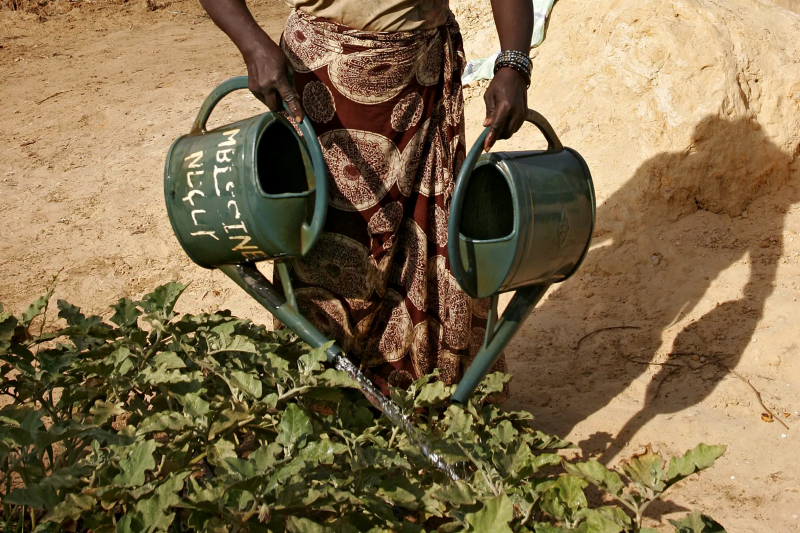
One of the biggest challenges facing agriculture in Burkina Faso is the deterioration in soil productivity, which is being accelerated by climate change. As a result, farmers’ acreage is shrinking and so is their production, trapping them in a vicious circle of food insecurity.
This project is a response to the technical, environmental, economic, organizational and institutional obstacles that hinder the implementation of sustainable food systems in several communities in Burkina Faso. It aims to help improve production, social and environmental systems by promoting soil restoration and strengthening the autonomy of producers through the introduction of agroecological practices. This two-pronged approach, combined with the value-added processing and marketing of agricultural products (flour, fruit juices, cookies, tomato paste, etc.) through the support of producer cooperatives as well as the support of policy initiatives favoring agroecological transition, will make it possible to adopt a holistic approach aimed at strengthening the resilience of vulnerable populations to climate change.
Project goals
- Local and national policies, strategies and programs take greater account of the national agroecology development strategy, and decentralized government agencies are developing initiatives to support agroecology, contributing to a broader transition to sustainable agricultural practices and more efficient management of natural resources in Burkina Faso.
- The food security and resilience to economic, environmental and climatic risks of 1,500 vulnerable households (host communities and IDPs) in seven municipalities in the North and Central Plateau regions will be strengthened.
Country
Burkina Faso
Project duration
2024 - 2027
Total budget LED
EUR 550'627