The hot and dry summer of 2026 also made it clear in Europe just how precious water is and how dependent our daily lives are on a functioning water supply. In large parts of Western and Central Europe, precipitation, soil moisture, and river runoff were at times significantly below the long-term average.
In Zambia, the challenges are far more fundamental. Millions of people lack reliable access to clean drinking water. At the same time, Zambia is one of the youngest countries in the world: a large portion of the population is under 25 years old and needs opportunities for education and employment. What at first glance appear to be two distinct challenges are closely interlinked: A reliable water supply requires more than just wells, pumps, and pipes. It requires people who can install, maintain, and repair them.
Good water supply starts with good training
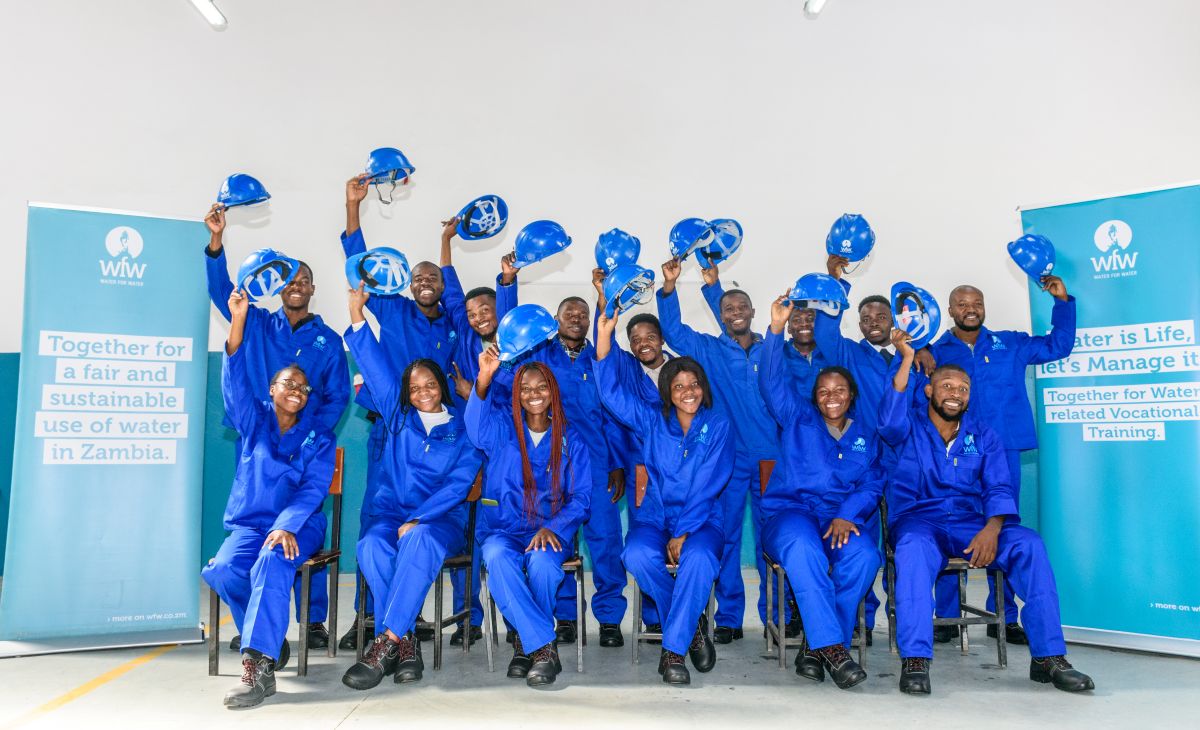
This is exactly where a vocational training project by Wasser für Wasser (WfW), supported by the Liechtenstein Development Service (LED), comes in. In collaboration with Zambian training institutions, government agencies, and companies, vocational training in the water and sanitation sector is being made more practice-oriented and better aligned with the needs of the labor market.
This is necessary: The Zambian vocational training system faces a number of challenges. Training opportunities are limited, women are severely underrepresented in technical professions, and in some cases, curricula and teaching materials no longer meet the demands of the workplace. At the same time, the cost of training poses a significant barrier for young people from low-income families.
Zambia is therefore reforming its vocational education and training system and placing greater emphasis on competency-based training and closer collaboration with the private sector. The curriculum for plumbers and sanitation technicians is among the first to have been revised accordingly.
Learning what will be needed later in one’s career
WfW has been supporting this transformation for several years. In collaboration with local educational institutions and experts, practice-oriented learning modules have been developed. These translate the new curricula into concrete exercises and teaching materials—for example, on water supply, pipe installation, plumbing, and wastewater systems. Teachers also receive continuing education. At the same time, WfW collaborates with companies that offer internships and contribute their practical experience to the further development of the training program. The goal is to facilitate a smoother transition from vocational school to the job market.
More than 1,000 plumbers and well drillers have already completed their training since WfW began its vocational training initiative. In the long term, the training standards and materials developed are intended to be used in all accredited schools for water and sanitation professions.
Vocational Training with a Double Impact
The project thus combines two key development objectives: it provides young people with better career prospects while simultaneously developing the skilled workforce Zambia needs to ensure a reliable and sustainable water supply. After all, investments in water infrastructure alone are not enough. It is crucial that the local knowledge and skills required to operate, maintain, and further develop this infrastructure over the long term are in place. The LED supports the program as part of its vocational training focus area. The goal is to improve the quality and inclusivity of training in the water sector, create employment opportunities for young people, and sustainably strengthen cooperation between the government, training institutions, and the private sector.