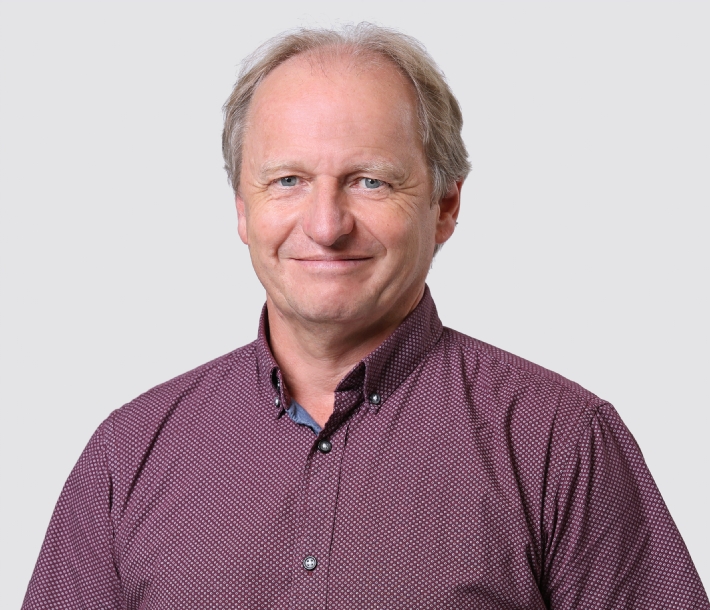
For the past five years, Andreas Sicks has served as Executive Director of the Liechtenstein Development Service (LED). During this time, the LED has continued to evolve strategically and organizationally and has refined its work in its priority countries. This is reason enough to take a look together at important milestones, current challenges, and the future of international development cooperation.
When Andreas Sicks took office, he faced an extensive to-do list. At the same time, this situation presented an opportunity to actively further develop the LED.
An important milestone was the adoption of the 2023–2026 Strategy. It sharpened the LED’s profile and defined the focus of international cooperation more clearly.
“I was very pleased that this further development received strong support from both the respective ministers and the Office of Foreign Affairs. The same applies to the budget increases approved by the Landtag of the Principality of Liechtenstein. This trust has been and remains of great importance to our work.”
Greater Impact Through Clear Priorities
Over the past five years, the LED has undergone a strategic and organizational restructuring. Today, the organization focuses on a smaller number of priority countries. As a result, Liechtenstein’s support has become more visible on the ground. At the same time, the LED has further refined its working methods. Instead of individual projects, the focus is now increasingly on country programs. “Through our country programs, the team has succeeded in gradually shifting the focus from individual projects to a programmatic approach. This allows us to better demonstrate the impact of our work and our contribution to long-term change.”
Challenges for international cooperation
Andreas Sicks views current developments in international development cooperation with concern. Cuts in public funding in many donor countries are making the work of numerous organizations more difficult. At the same time, administrative requirements and bureaucratic processes are increasing. Added to this are growing autocratic trends and a deteriorating security situation in various partner countries. These circumstances make long-term, trust-based cooperation more challenging.
A look ahead
For the coming years, Andreas Sicks hopes that the importance of development cooperation will once again be understood more strongly as a shared interest.
“Especially in our key areas, there is an urgent need to make progress in order to open up opportunities for young people and preserve natural resources.” Development cooperation not only makes an important contribution to the people on the ground, but can also strengthen multilateralism and support Liechtenstein in building sustainable international partnerships and coalitions.