Agroecology in Senegal – Liechtenstein gets actively involved
Liechtenstein may be small, but when it comes to sustainable development, it thinks big. In Senegal, the Liechtenstein Development Service (LED) supports local sustainable food systems through agroecology – agriculture that respects nature and people alike.
Senegal, a country in West Africa with a rich agricultural tradition, is facing huge challenges: The soil is drying out, water is becoming scarce and harvests are uncertain. Many farmers, especially women and young people, have hardly any access to land or means of production. At the same time, cheap imported products are flooding the markets, while healthy and high-quality organic products are being exported.
Those who are actually responsible for feeding the country – the smallholder farmers themselves – are sometimes hit the hardest. Many families still struggle every year with the période de soudure, a period of hunger between two harvests during which they barely have enough to eat. While their fields dry out or are destroyed by extreme weather events, they have to buy expensive food. Many young people no longer see a future in agriculture and leave the country.
A sustainable strategy
But where there are difficulties, there are also opportunities: Senegal has a dynamic civil society that is committed to agroecology – and this is precisely where Liechtenstein comes in. The LED is investing over five million Swiss francs by 2026 to strengthen sustainable food systems in Senegal. Agroecological agriculture is a central element of the new LED Strategy 2023 to 2026. The area of “Food systems with a focus on agroecology” is one of the two LED priority topics.
Agroecology is anything but a romantic return to the farm idyll of yesteryear. It is a cutting-edge concept that combines ecology, economy and social justice, yet it is based on long-established practices. It relies on natural cycles, diversity and regional varieties.
The LED supports this rethinking with a clear plan:
– Train farmers to apply sustainable methods and increase their food security
– Strengthen markets so that organic products are also available locally and farmers can make a living from them.
– Support lobbying work by local actors for agroecology so that agroecology is better anchored in national strategies.
LED projects in Senegal
In October 2024, a delegation from the LED Foundation Board and the LED team visited the LED projects in Senegal. The representatives were able to inspect the projects on site and see for themselves the many different effects of the measures implemented. The trip included the following projects:
“Dundel Mbay” (horizont3000): A gender-sensitive food security program that empowers women and youth and sustainably improves their agricultural production.
“Bio-Senegal” (HEKS): Development of a participatory guarantee system for organic farming that supports farmers in bringing certified organic products to the market.
“Education for Opportunities” (Swisscontact): A training program for young people in the Sahel region that gives them access to agricultural training and entrepreneurial skills.
LED on the ground – presence for greater impact
In order to drive change in a targeted manner, the LED has been given its own representative in Dakar. A dedicated representative coordinates the projects on the ground and is expanding the network. The plan is to move away from one-off aid projects and towards structural changes. This is a path that requires a great deal of expertise, foresight and perseverance.
LED is sending out a clear signal with its commitment: Development cooperation today takes place at eye level, the focus is on long-term perspectives – the aim is to increase the impact of LED funds. After all, sustainable agriculture in Senegal benefits not only the local people, but everyone involved and, in our globally networked world, ultimately the whole of humanity. (LED/A. Ospelt)
Pictures 1 to 4
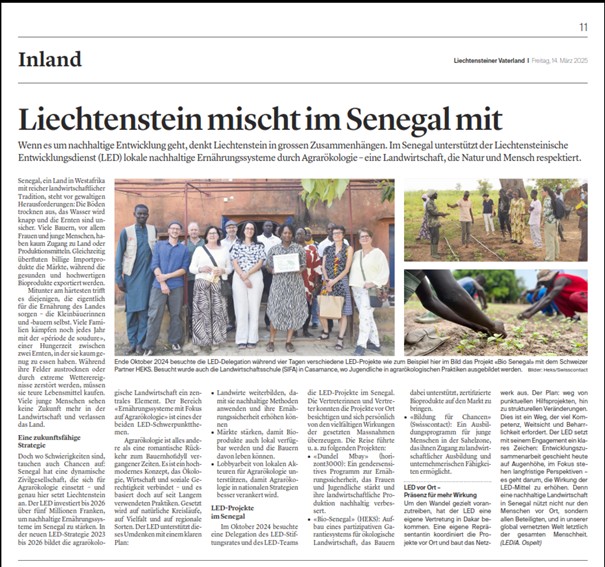
Image 1: Focus on Senegal: The LED Foundation Board trip to Senegal took place at the end of October 20024 . The LED delegation spent four days visiting various LED projects, such as the “Bio Senegal” project with the Swiss partner HEKS. (Picture: HEKS)
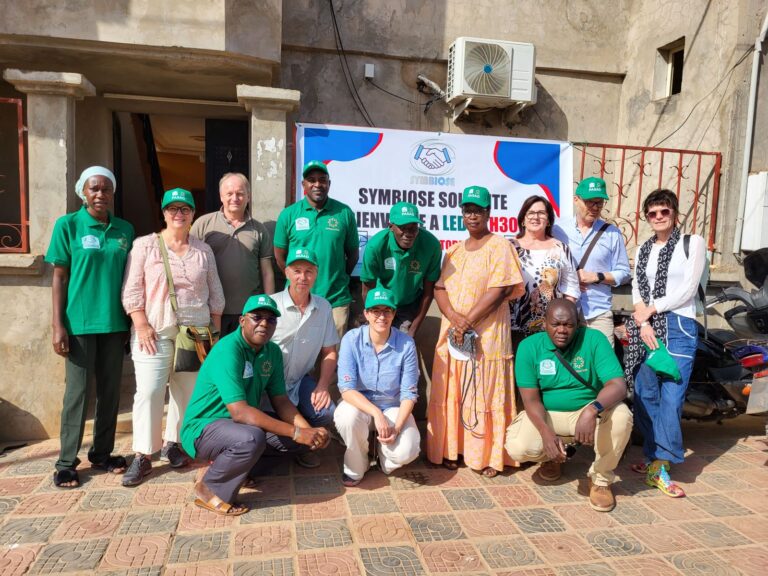
Picture 2: The LED delegation with representatives of the local partner organization Symbiose and the Austrian partner organization horizont3000 during the project visit to “Dundel Mbay”. (Image: horizont3000/Symbiose)
From left to right: Noella Thiaw (Symbiosis), Claudia Foser-Laternser, Andreas Sicks (LED), Leyti Ndiaye (Symbiosis), Erwin Eder (horizont3000), Malick Ba, Keba Niang (Symbiosis), Marion Reichenbach (LED), Racky-Bilele Ba (LED), Doris Beck (LED Foundation Board, Mamadou Dramé (Symbiosis), Daniel Miescher, Katrin Imhof (both LED Foundation Board)
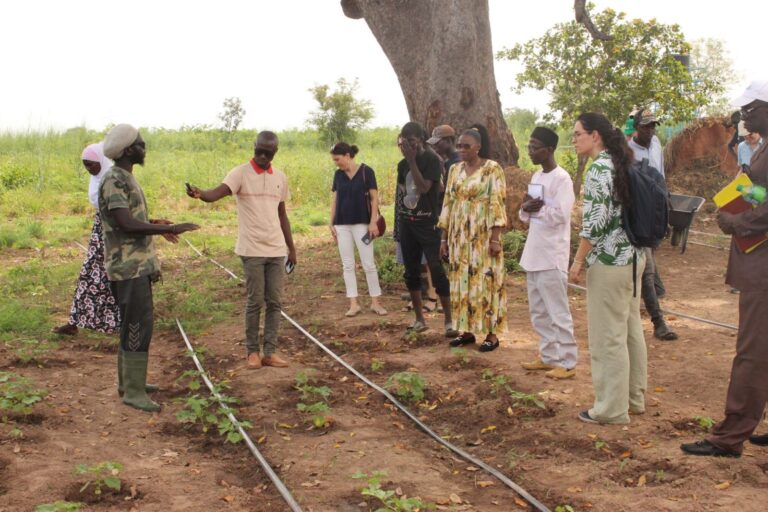
Image 3: The LED delegation also visited an agricultural school (SIFA) in Casamance, a joint project with partner Swisscontact. Here, young people are trained in agroecological practices. In the picture, a student explains what he has learned about agriculture. (Picture: C. Rismann, Swisscontact)
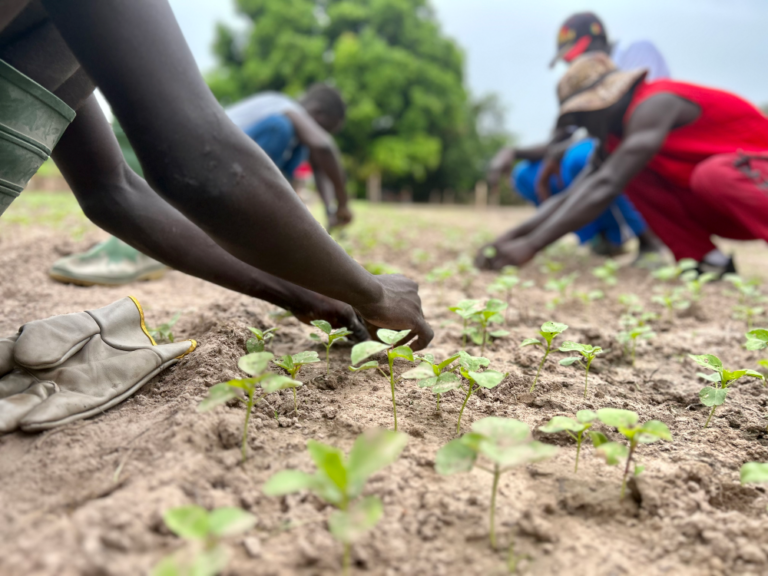
Image 4: In Senegal, the LED supports local sustainable food systems through agroecology – agriculture that respects nature and people in equal measure. (Image: C. Rismann, Swisscontact)
Link to the article in the Liechtensteiner Vaterland from March 14, 2025